 Home
Home
Knee Arthroscopy
Understanding Knee Anatomy
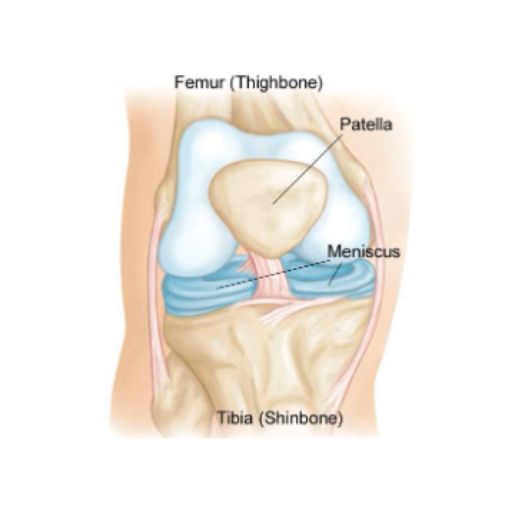
The knee is one of the most intricate and essential joints in the human body. It connects the femur (thighbone) to the tibia (shinbone), with the patella (kneecap) sitting at the front to protect and enhance movement. A smaller bone, the fibula, also plays a supporting role.
For smooth and pain-free motion, the knee’s surfaces are lined with articular cartilage, a slick and resilient tissue that minimizes friction. Between the femur and tibia lie the menisci, two C-shaped cartilage structures that function as shock absorbers, providing both cushioning and stability to the joint.
The knee’s integrity is maintained by ligaments—the cruciate and collateral ligaments—which prevent excessive movement and provide essential stability. Tendons connect muscles to bones, enabling motion, while the synovial membrane inside the joint capsule produces synovial fluid, ensuring smooth lubrication.
What is Knee Arthroscopy?
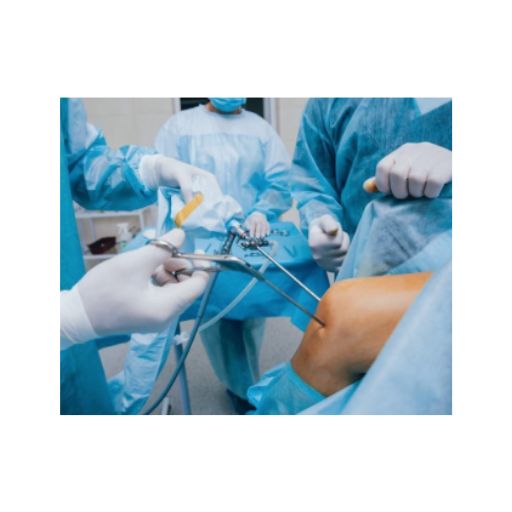
Knee arthroscopy is a minimally invasive surgical procedure used to diagnose and treat various knee conditions. Using an arthroscope—a tiny camera inserted through small incisions—the surgeon can assess the joint and perform necessary repairs without the need for large incisions.
Key Benefits:
- Minimally invasive with faster recovery
- Less pain and reduced risk of complications
- Most patients return home the same day
When is Knee Arthroscopy Recommended?
Knee arthroscopy is commonly used to treat:
- Torn meniscus – A frequent cause of pain and instability.
- Torn or damaged cruciate ligament – Affects knee stability, common in athletes.
- Loose cartilage fragments – Can cause locking or catching sensations.
- Inflamed synovial tissue – May lead to chronic swelling and discomfort.
- Patellar misalignment – Causes improper tracking of the kneecap.
- Certain knee fractures – Some cases may benefit from arthroscopic management.
How is Knee Arthroscopy Performed?
1️⃣ The procedure is typically done under general anesthesia, but other options may be used depending on the patient’s condition.
2️⃣ The surgeon makes two to three small incisions around the knee.
3️⃣ Sterile saline solution is injected to expand the joint, improving visibility.
4️⃣ The arthroscope is inserted, providing a real-time view of the knee on a video monitor.
5️⃣ The surgeon assesses the damage and, if necessary, introduces specialized instruments to perform repairs.
Possible treatments include:
Meniscus repair or removal
Cruciate ligament reconstruction
Cartilage repair or removal of loose fragments
Removal of inflamed synovial tissue
Patellar realignment
Microfracture technique to stimulate cartilage regrowth
Recovery & Postoperative Care
Most patients return home the same day and can resume light activities soon after surgery.
Pain management – Medications will be prescribed as needed.
Gradual mobility – Some patients may walk without assistance, while others require crutches or braces.
Rehabilitation – A personalized physical therapy plan helps restore strength and movement.
Is Knee Arthroscopy Safe?
Yes! Knee arthroscopy is a safe and low-risk procedure. However, as with any surgery, rare complications may occur:
Bleeding inside the joint
Infection
Temporary knee stiffness
Persistent knee pain (in rare cases)
If you experience unusual swelling, fever, or severe pain, consult your doctor immediately.