The overlooked relationship between hormonal change, musculoskeletal pain and metabolic health — and why our understanding of hormone therapy has changed
Dr Fabián Poletti | Consultant Orthopaedic and Trauma Surgeon | Sports Medicine and Orthobiologics | Metabolic and Hormonal Optimisation
The women whose joint pain did not match their scans

Over the years, I began noticing something increasingly often in my orthopaedic practice. Women in their late forties and early fifties were coming to see me with persistent joint pain, stiffness, tendon discomfort and a noticeable deterioration in their ability to exercise, yet their X-rays and MRI scans frequently failed to explain the intensity or extent of their symptoms. Some had mild degenerative changes, others had relatively unremarkable imaging, and many had already undergone investigations that excluded inflammatory rheumatic diseases.
They were not imagining their symptoms, and they were certainly not all developing a rheumatological condition. Nevertheless, something was clearly changing. Many described a similar pattern: sleep had deteriorated, recovery after exercise was slower, muscle strength was declining and abdominal fat was accumulating despite relatively little change in their habits. What particularly caught my attention was that these symptoms frequently appeared during the same period of life, around the transition towards menopause.
As an orthopaedic surgeon, I was accustomed to investigating structural abnormalities, injuries and biomechanical problems, but these women were presenting a more complex clinical picture. Their symptoms were real, yet the explanation could not always be found in the joint itself. This observation gradually led me to explore the relationship between female hormonal physiology, metabolic health, inflammation and the musculoskeletal system, and ultimately motivated me to undertake additional training in metabolic and hormonal optimisation, alongside my work in orthopaedic surgery, sports medicine and orthobiologics.
It was through this broader investigation that I became particularly interested in what researchers now describe as the musculoskeletal syndrome of menopause.
The term, introduced in the medical literature in 2024, brings together a range of musculoskeletal changes that can occur during the menopausal transition, including joint pain, muscle and tendon symptoms, loss of strength and declining bone health. The concept is important because it gives a physiological context to symptoms that have frequently been attributed to ordinary ageing, stress or an inability to find an explanation on conventional investigations.
Oestrogen receptors are present in cartilage, bone, skeletal muscle, synovial tissues and other structures involved in movement and pain. As ovarian hormone production becomes increasingly variable during perimenopause and subsequently declines, the biological environment in which these tissues function also changes. This can coincide with alterations in inflammatory signalling, pain sensitivity, body composition, sleep and the capacity to recover from physical activity.
The menopausal transition therefore involves much more than the end of menstrual cycles. It is a systemic physiological change with potentially important consequences for how women move, feel and maintain their physical independence. Recognising this connection has become an important part of understanding why musculoskeletal symptoms often emerge or worsen during midlife, even when conventional imaging provides only a partial explanation.
How hormone therapy became widely used — and why its history matters
Hormone therapy was not originally developed as an experimental approach to healthy ageing. Its use began expanding during the 1940s because clinicians recognised that replacing declining ovarian hormones could relieve many of the symptoms associated with menopause. Over subsequent decades, its benefits became increasingly apparent, particularly for hot flushes, night sweats, sleep disruption and the preservation of bone density.
By the 1980s and 1990s, hormone replacement therapy had become widely used, supported by clinical experience and a growing body of observational research suggesting additional benefits for long-term health. Some of these studies reported lower cardiovascular disease rates among women receiving hormones, raising the possibility that oestrogen therapy might do more than alleviate menopausal symptoms.
This led researchers to ask an important question: if hormone therapy improved menopausal symptoms, protected bones and appeared to offer wider health benefits, could it also be prescribed routinely to postmenopausal women to prevent chronic disease?
The Women’s Health Initiative was established to investigate precisely that possibility. Its hormone trials enrolled women between the ages of 50 and 79, with an average age of approximately 63, and compared specific hormone regimens with placebo. The intention was to determine whether broader preventive prescribing could reduce major outcomes such as coronary heart disease and fractures, while evaluating potential risks.
It was a legitimate and important research question, but it was different from asking whether a symptomatic woman in her late forties or early fifties could benefit from appropriately prescribed hormone therapy. The effectiveness of HRT for menopausal symptoms was already well established when the WHI began.
How the Women’s Health Initiative was misunderstood
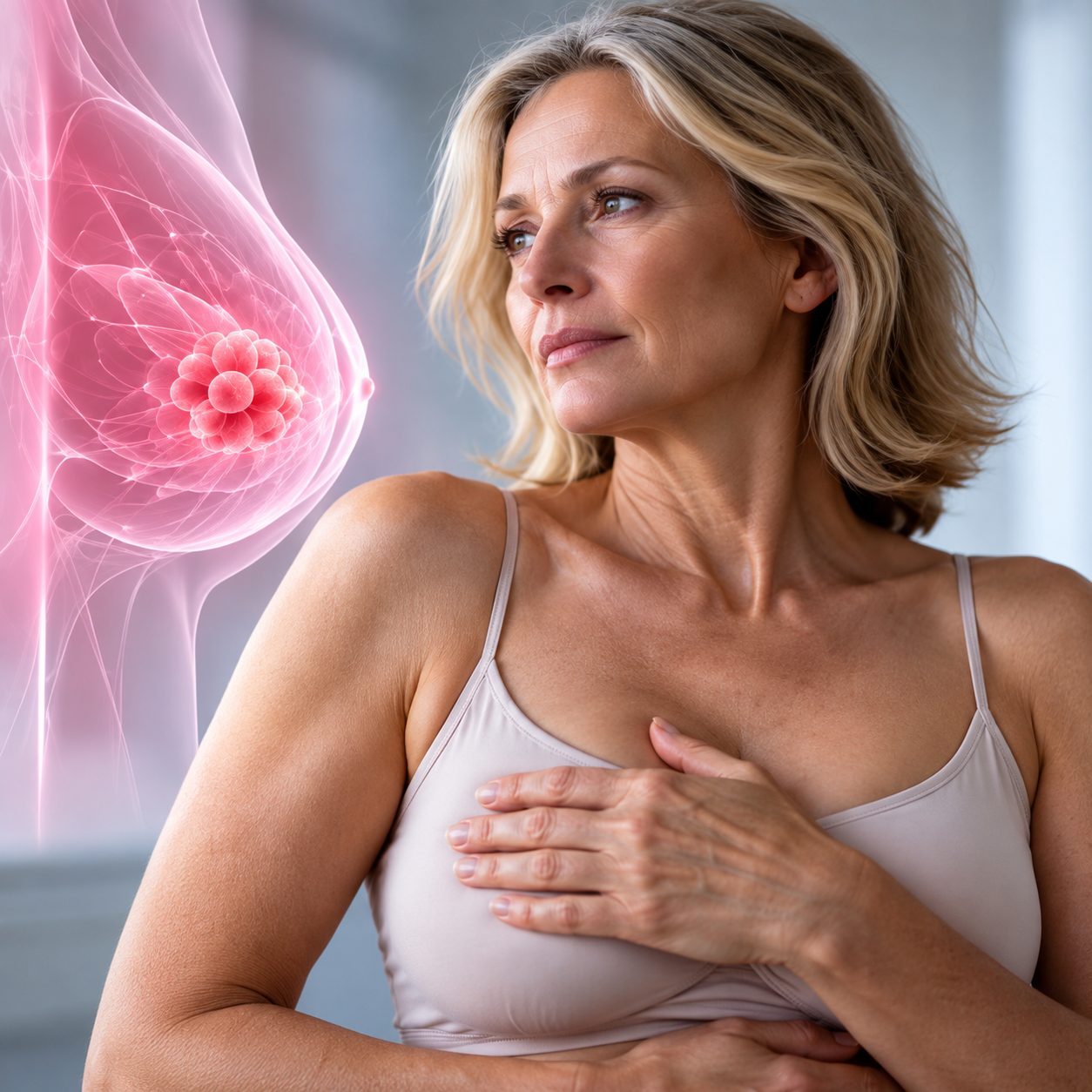
When the first results of the combined hormone trial were published in 2002, the response was dramatic. The investigators reported that the particular combination of oral conjugated equine oestrogens and medroxyprogesterone acetate did not offer a favourable overall balance for the broad prevention of chronic disease in the population studied. The findings included an increase in certain adverse outcomes, particularly breast cancer, blood clots and stroke, alongside important benefits such as reductions in fractures and colon cancer.
Unfortunately, much of the subsequent public discussion lost the distinction between a preventive strategy involving a specific treatment regimen and the individualised treatment of menopausal symptoms. The message that reached many women was considerably simpler and more frightening: hormone therapy increased cancer risk and was therefore something to avoid.
Within a few years, prescriptions had fallen dramatically. Women who were experiencing troublesome menopausal symptoms became reluctant to consider HRT, and many clinicians also became more cautious about prescribing it. The consequences of this shift influenced menopause care for more than two decades.
The problem was not that the original WHI findings should have been ignored. It was that they were interpreted too broadly, without sufficient distinction between different hormones, different ages and different reasons for treatment.
What researchers discovered when they revisited the data
As subsequent analyses examined the WHI results in greater detail, a more nuanced picture emerged. Researchers began separating women according to age, time since menopause and the particular hormonal regimen they had received, rather than treating all participants as one homogeneous group.
One of the most important findings involved the timing of treatment. Starting hormone therapy shortly after menopause is not biologically equivalent to beginning it for the first time fifteen or twenty years later, when vascular ageing and underlying cardiovascular disease may already be more advanced.
Analyses of the oestrogen-only WHI trial found more favourable cardiovascular patterns in women aged 50–59 than in older participants. These findings contributed to the development of the timing hypothesis, which recognises that the effects of hormone therapy depend partly on how close treatment initiation is to menopause.
This helps explain why contemporary menopause recommendations generally identify a favourable benefit-risk balance for appropriately selected women younger than 60 or within approximately ten years of menopause, particularly when treatment is prescribed for menopausal symptoms and bone protection.
This concept is central to the 2022 position statement of The Menopause Society. For women younger than 60 years or within ten years of menopause onset, who have no contraindications, the benefit-risk ratio of systemic menopausal hormone therapy is generally favourable for the treatment of bothersome vasomotor symptoms and prevention of bone loss. Conversely, when treatment is initiated after the age of 60 or more than ten years after menopause, the balance becomes less favourable.
The long-term analyses also clarified an equally important distinction between oestrogen alone and oestrogen combined with a particular synthetic progestin. In the WHI trial involving women who had undergone hysterectomy, those receiving oestrogen alone experienced a reduction in breast cancer incidence and breast cancer mortality compared with placebo during long-term follow-up. The trial using oestrogen combined with medroxyprogesterone acetate produced different breast cancer findings.
These differences demonstrate why it was misleading to describe all hormone replacement therapy as though it were one single treatment with identical effects.
The broader lesson was that the WHI had answered an important question about the use of particular hormonal regimens for widespread disease prevention, but it had not established that hormone therapy was inappropriate for younger symptomatic women entering menopause.
This interpretation was reinforced by a comprehensive review published in JAMA in 2024, in which WHI investigators revisited the evidence accumulated over approximately two decades. The review emphasised the importance of individualised decision-making and distinguished the treatment of menopausal symptoms from the use of hormones for the general prevention of chronic disease. Its conclusions support a more informed approach to hormone therapy, particularly in women entering menopause who have symptoms affecting their quality of life.
The broader evidence also suggests that hormone therapy initiated in appropriately selected younger postmenopausal women may be associated with additional favourable outcomes. Analyses of randomised trials and pooled data have reported reductions in all-cause mortality in some younger subgroups, together with lower rates of fractures and diabetes mellitus. Nevertheless, these findings must be interpreted according to the population studied, the hormonal regimen used and the strength of the available evidence. They do not establish menopausal hormone therapy as a general strategy for preventing cardiovascular disease, cancer or other chronic conditions.
Today’s hormone therapy is also different
Another reason our understanding has evolved is that menopausal hormone therapy itself has changed considerably.
The combined WHI trial used oral conjugated equine oestrogens and medroxyprogesterone acetate, a synthetic progestin commonly prescribed at that time. Many contemporary regimens instead use 17β-estradiol and micronised progesterone, hormones that are molecularly identical to those naturally produced by the female body.
These are often described as body-identical or bioidentical hormones, although the term should not be confused with unregulated compounded preparations. Standardised, regulated pharmaceutical formulations of estradiol and micronised progesterone are available.
The distinction is clinically relevant because different routes of administration and different progestogens have different biological effects. Transdermal estradiol, for example, avoids the initial hepatic metabolism associated with oral oestrogen and appears to have a more favourable profile regarding venous thromboembolism. Observational studies also suggest that micronised progesterone may have a more favourable breast safety profile than certain synthetic progestins, including medroxyprogesterone acetate, although long-term randomised comparative evidence remains more limited.
These advances allow treatment to be tailored much more precisely to each woman’s clinical circumstances. They also make it inappropriate to assume that the outcomes associated with a particular hormonal combination studied more than twenty years ago automatically describe every modern treatment regimen.
This distinction is reflected in contemporary clinical recommendations, which recognise that hormone therapy is not a single, uniform intervention. Its effects depend on whether oestrogen is prescribed alone or combined with a progestogen, the specific formulation and dose, the route of administration and the duration of treatment. Women with an intact uterus generally require adequate progestogen exposure when receiving systemic oestrogen to protect against endometrial hyperplasia and endometrial cancer. Consequently, the choice of treatment must consider both the potential benefits of oestrogen and the safety implications of the accompanying progestogen.
The Menopause Society also recognises menopausal hormone therapy as the most effective treatment for vasomotor symptoms and an effective treatment for genitourinary syndrome of menopause. Importantly, these indications do not always require the same treatment approach. Women whose symptoms are limited to the genitourinary tract may benefit from low-dose vaginal oestrogen or other targeted therapies without requiring systemic hormone treatment.
Understanding the benefits that were overshadowed
Perhaps one of the most unfortunate consequences of the initial WHI controversy was that the established benefits of hormone therapy received far less attention than the risks.
Even the original WHI trials demonstrated meaningful protection against fractures, including hip fractures, an outcome with major implications for mobility, independence and health in later life. Oestrogen therapy also remained highly effective for relieving vasomotor symptoms, improving sleep disrupted by night sweats and treating many of the symptoms that can make the menopausal transition so difficult.
The widely publicised increase in breast cancer incidence in the combined trial was approximately 26% in relative terms. Expressed as an absolute difference, this represented about eight additional cases per 10,000 women treated for one year with that particular regimen. However, the same trial also reported approximately five fewer hip fractures and six fewer colorectal cancers per 10,000 women treated per year.
What should have been explained from the outset is that fewer than 10 additional cases per 10,000 women per year represent a very small absolute increase in risk. Instead, public attention focused on the alarming 26% relative increase, without adequately explaining its actual magnitude.
The absolute risk of breast cancer should also be discussed in the context of other recognised risk factors, including alcohol consumption, excess adiposity and dietary patterns. As emphasised in discussions of the 2022 Menopause Society position statement, the relative breast cancer risk associated with certain combined hormone regimens can be of a magnitude comparable to that associated with some modifiable lifestyle exposures, including moderate alcohol consumption and adherence to a high-fat dietary pattern. These comparisons are not exact equivalents and depend on the exposure and population considered. Their purpose is to provide perspective, rather than to dismiss the potential risk associated with hormone therapy.
Importantly, the WHI findings were not uniformly negative across hormone therapy regimens. In the oestrogen-only trial, involving women with a prior hysterectomy, breast cancer incidence was actually lower than in the placebo group. Long-term follow-up demonstrated a statistically significant 22% reduction in breast cancer incidence (HR 0.78), alongside a 40% reduction in breast cancer mortality (HR 0.60). A similar direction of effect was observed among women aged 50–59 years.
The contrast between these two WHI treatment arms is particularly important. Oestrogen-only therapy and combined oestrogen-progestogen therapy should not be presented as having identical breast cancer outcomes. At the same time, the reduced breast cancer incidence observed in the oestrogen-only WHI trial should not be interpreted as evidence that oestrogen should be prescribed specifically to prevent breast cancer, or that every oestrogen formulation would necessarily produce the same results.
These absolute figures are particularly important because they illustrate that the study identified significant benefits alongside the adverse outcomes that received most of the public attention.
As an orthopaedic surgeon, I consider the reduction in hip fractures especially meaningful. A hip fracture in an older woman is not simply a broken bone that requires an operation. It can represent a major turning point in her health, frequently resulting in prolonged immobility, muscle loss, loss of independence and serious medical complications.
The consequences are substantial. International osteoporosis research reports mortality rates of up to approximately 20–24% during the first year following a hip fracture, while a significant proportion of survivors never recover their previous level of mobility or independence. Some require assistance with everyday activities or permanent residential care. These figures describe the outcomes associated with hip fractures in older populations; they do not mean that preventing a fracture automatically prevents a corresponding death, but they demonstrate the enormous clinical importance of fracture prevention.
For this reason, the bone-protective effects of hormone therapy deserve considerable attention. Preventing fractures, particularly fractures of the hip and vertebral column, may have profound consequences for quality of life and long-term physical independence. The original WHI combined regimen still had an unfavourable overall balance for indiscriminate disease prevention, but the reduction in fractures was a genuine and clinically important benefit that should not disappear from the discussion.
The 2022 position statement of The Menopause Society further supports the importance of recognising benefits alongside risks. It identifies reductions in fracture risk among women receiving oestrogen-only or combined oestrogen-progestogen therapy, together with favourable findings for diabetes incidence and, in analyses of younger women, some mortality outcomes. These observations reinforce the need for a balanced interpretation of the evidence, while recognising that associations and subgroup findings do not necessarily justify prescribing hormone therapy specifically to prevent these outcomes.
Menopause, visceral fat and chronic inflammation: the missing connection with osteoarthritis
Understanding the benefits of hormone therapy is only part of the picture. To appreciate why so many women begin experiencing joint pain, stiffness and declining physical capacity around menopause, we also need to examine what happens to metabolism and body composition during this transition.
One of the most noticeable changes is the redistribution of body fat. Women who previously accumulated fat predominantly around the hips and thighs may begin storing a greater proportion around the abdomen. This shift can occur even when overall body weight changes relatively little, which is why body mass index alone often fails to reflect the underlying metabolic changes.
The distinction is important because visceral adipose tissue behaves differently from subcutaneous fat. Rather than serving merely as an energy reserve, it functions as an active endocrine and metabolic organ, producing hormones, adipokines and inflammatory mediators that influence tissues throughout the body.
When visceral adipose tissue expands and becomes dysfunctional, it can contribute to a state of chronic low-grade inflammation through the release of substances including interleukin-6, tumour necrosis factor-alpha and several adipokines. This inflammatory activity is frequently associated with insulin resistance, abnormal lipid metabolism and other components of metabolic dysfunction.
A study published in Scientific Reports in 2025 examined the relationship between visceral adipose tissue, health behaviours and metabolic inflammation during menopause, highlighting the importance of fat distribution in the metabolic changes associated with this period of life. These observations are particularly relevant because menopause may alter not only how much fat a woman carries, but where that fat is stored and how it functions metabolically.
This is where the relationship with osteoarthritis becomes especially interesting.
For many years, osteoarthritis was described almost exclusively as a disease of mechanical wear. A joint carried weight over decades, the cartilage gradually deteriorated and pain eventually developed. Although biomechanical loading remains an important factor, this explanation is no longer sufficient.
We now understand that osteoarthritis is a disease involving the entire joint, including cartilage, synovium, subchondral bone, menisci, ligaments and surrounding tissues. These structures respond continuously to mechanical forces but also to inflammatory and metabolic signals.
When dysfunctional adipose tissue generates chronic systemic inflammation, those signals can influence the biological environment within the joint. They may contribute to synovial activation, abnormal cartilage metabolism, extracellular matrix degradation and changes in subchondral bone remodelling. They may also influence pain sensitivity, helping explain why the severity of symptoms does not always correspond to the degree of structural degeneration visible on imaging.
One particularly revealing observation is that obesity increases the risk of osteoarthritis in the hands as well as the knees. Since excess body weight does not mechanically overload the fingers in the same way that it loads the lower limbs, this association supports the importance of systemic inflammatory and metabolic mechanisms.
A comprehensive review published in Nature Reviews Rheumatology in 2024 reinforced this perspective, describing how adipose tissue dysfunction contributes to osteoarthritis pain through local and systemic inflammation, immune dysregulation and altered metabolic signalling.
For women approaching menopause, these mechanisms may become particularly relevant because declining ovarian hormone production, changes in visceral fat distribution and altered metabolic regulation can occur simultaneously.
A woman who develops knee pain during this period may therefore be experiencing more than the effects of age-related cartilage degeneration. Her symptoms may also reflect changes in the inflammatory and metabolic environment surrounding the joint.
This does not mean that every case of osteoarthritis is caused by menopause or that hormonal treatment can reverse established cartilage damage. It means that the mechanical condition of the joint is only one part of its biology, and that the metabolic changes accompanying menopause deserve attention when trying to understand why symptoms appear or worsen.
Muscle loss, metabolic health and the cycle of declining mobility
The relationship between menopause and musculoskeletal health becomes more complex when changes in muscle strength are added to the picture.
Muscle plays an essential role in joint stability, movement control and load distribution. Strong quadriceps and gluteal muscles help the knee manage the mechanical demands of walking, climbing stairs and other everyday activities. When muscle strength declines, the same movements can become considerably more demanding, particularly in a joint already affected by osteoarthritis.
Skeletal muscle is also a major metabolic organ, responsible for a substantial proportion of insulin-mediated glucose disposal. Preserving muscle is therefore important not only for physical performance but also for maintaining metabolic health.
During midlife, ageing, inactivity, hormonal changes and inadequate nutritional intake can contribute to declining muscle mass, muscle quality and strength. When this occurs alongside increasing visceral adiposity, the consequences can be especially unfavourable.
A woman may find herself caught in a self-reinforcing cycle. Joint pain makes exercise more difficult, reduced activity accelerates muscle loss and diminished muscle strength further compromises joint function. Meanwhile, increasing visceral fat and reduced metabolic fitness may contribute to insulin resistance and chronic inflammatory signalling.
Sleep disturbance, another common feature of perimenopause, can further complicate this process by affecting recovery, fatigue and pain sensitivity.
These factors help explain why some women experience a relatively rapid deterioration in physical wellbeing during the menopausal years despite having no major new injury or dramatic radiological abnormalities.
The same biological changes may also influence other organs. Visceral adiposity and metabolic dysfunction can contribute to cardiovascular risk, fatty liver disease and impaired glucose regulation, meaning that the processes associated with musculoskeletal deterioration may form part of a broader decline in metabolic health.
In this context, preserving muscle mass, improving insulin sensitivity and reducing excess visceral fat become important objectives for both joint health and long-term physical function.
Resistance training, aerobic exercise, adequate protein intake, appropriate nutrition and restorative sleep all contribute to that strategy. Hormonal assessment and treatment, when clinically indicated, may complement these measures by addressing symptoms and physiological changes that can interfere with exercise, recovery and bone preservation.
The objective is not simply to reduce body weight or relieve pain temporarily, but to improve the underlying biological conditions that allow women to remain active.
Beyond menopausal symptoms: what hormone therapy may mean for musculoskeletal health

This evolving understanding of hormone therapy is particularly relevant to the musculoskeletal syndrome of menopause, which was one of the reasons I became interested in the relationship between hormonal decline and the joint pain I was increasingly seeing in women during midlife.
Oestrogen influences much more than reproductive function. It participates in bone remodelling, inflammatory regulation and several processes involved in the health of muscles, tendons and joints. Its decline occurs at a time when many women begin experiencing stiffness, widespread joint discomfort, reduced strength and changes in their ability to recover from physical activity.
Appropriately prescribed hormone therapy may offer important benefits in this context. Its ability to preserve bone mineral density and reduce fracture risk is well established, while improvements in sleep and menopausal symptoms can make it easier for women to remain physically active and maintain their strength.
There is also clinical evidence suggesting a relationship between oestrogen therapy and joint symptoms. An analysis of the oestrogen-only arm of the WHI found that women receiving oestrogen reported a modest but statistically significant reduction in joint pain compared with those receiving placebo.
Although this finding does not demonstrate that oestrogen reverses osteoarthritis, it supports the possibility that hormonal status contributes to the experience of musculoskeletal pain. Alongside experimental research into oestrogen receptors, cartilage metabolism and inflammatory pathways, it provides a scientific basis for investigating the role of hormonal decline in the musculoskeletal symptoms associated with menopause.
The metabolic component is equally important. Hormone therapy may influence aspects of fat distribution and metabolic physiology, but the wider benefits of reducing visceral adiposity, preserving skeletal muscle and improving insulin sensitivity depend on an integrated approach that includes exercise, nutrition and other appropriate interventions.
In women with knee osteoarthritis, this can be particularly relevant because joint symptoms may be influenced simultaneously by structural degeneration, muscle weakness, low-grade inflammation, sleep disturbance and the metabolic consequences of increasing abdominal adiposity.
Recognising these overlapping mechanisms creates opportunities to address factors that would otherwise remain outside the assessment of an apparently isolated joint problem.
For me, the significance of recognising the musculoskeletal syndrome of menopause is that it provides a physiological context for symptoms that many women have experienced without receiving a satisfactory explanation. It also encourages us to think about prevention earlier, before progressive muscle loss, bone deterioration and metabolic dysfunction have significantly compromised physical function.
Conclusion: protecting women’s musculoskeletal health through menopause and beyond
The history of hormone therapy has taught us an important lesson about the consequences of interpreting medical evidence too broadly. A study designed to investigate the preventive use of particular hormone regimens in postmenopausal women led to a widespread perception that hormonal treatment itself was dangerous, overshadowing benefits that had already been recognised for decades.
Subsequent analyses, newer research and the development of more individualised treatment approaches have substantially changed that perspective. We now have a better understanding of the importance of treatment timing, hormonal formulation and the distinction between relieving menopausal symptoms and attempting to prevent every chronic disease.
But the implications extend beyond the debate about HRT.
The menopausal transition can coincide with changes in bone turnover, muscle function, visceral adiposity, insulin sensitivity and inflammatory regulation. These processes may interact with the mechanisms underlying osteoarthritis and other musculoskeletal conditions, creating a biological environment in which pain, stiffness and physical deterioration become more likely.
A woman experiencing joint pain during menopause may therefore be dealing with several related processes rather than a single isolated problem. Structural joint abnormalities remain important, but so do muscle strength, metabolic health, body composition, sleep and hormonal physiology.
Understanding these relationships creates an opportunity to approach the menopausal years more proactively, preserving bone, maintaining muscle, improving metabolic resilience and considering hormone therapy where its established benefits are relevant.
Ultimately, the objective is not simply to relieve menopausal symptoms or treat a painful knee. It is to help women preserve their strength, mobility, independence and quality of life throughout the decades that follow menopause.
The more we understand about the interaction between hormones, metabolism, inflammation and the musculoskeletal system, the better equipped we are to achieve that goal.
Dr Fabián Poletti
Consultant Orthopaedic and Trauma Surgeon
Sports Medicine and Orthobiologics
Metabolic and Hormonal Optimisation
Scientific references
- Rossouw JE, et al. Risks and Benefits of Estrogen Plus Progestin in Healthy Postmenopausal Women: Principal Results From the Women’s Health Initiative Randomized Controlled Trial. JAMA. 2002;288:321–333. DOI: 10.1001/jama.288.3.321.
- Manson JE, et al. Menopausal Hormone Therapy and Health Outcomes During the Intervention and Poststopping Phases of the Women’s Health Initiative Randomized Trials. JAMA. 2013;310:1353–1368.
- Manson JE, Crandall CJ, Rossouw JE, et al. The Women’s Health Initiative Randomized Trials and Clinical Practice: A Review. JAMA. 2024;331:1748–1760. DOI: 10.1001/jama.2024.6542.
- Chlebowski RT, et al. Association of Menopausal Hormone Therapy With Breast Cancer Incidence and Mortality During Long-term Follow-up of the Women’s Health Initiative Randomized Clinical Trials. JAMA. 2020;324:369–380.
- Wright VJ, et al. The Musculoskeletal Syndrome of Menopause. Climacteric. 2024.
- Binvignat M, Sellam J, Berenbaum F, Felson DT. The Role of Obesity and Adipose Tissue Dysfunction in Osteoarthritis Pain. Nature Reviews Rheumatology. 2024;20:565–584.
- Lankila H, et al. A Mediating Role of Visceral Adipose Tissue on the Association of Health Behaviours and Metabolic Inflammation in Menopause: A Population-Based Cross-Sectional Study. Scientific Reports. 2025;15:1999.
- Chlebowski RT, et al. Estrogen Alone and Joint Symptoms in the Women’s Health Initiative Randomized Trial. Menopause. 2013. DOI: 10.1097/GME.0b013e31828392c4.
- The North American Menopause Society. The 2022 Hormone Therapy Position Statement. Menopause. 2022;29:767–794.
- International Osteoporosis Foundation. Burden of Osteoporosis: Hip Fractures, Mortality and Loss of Independence.
- Long-term Outcome Collection After Hip Fracture in Ireland: A Systematic Review of Traditional and Grey Literature. Osteoporosis International. 2023.
- US Food and Drug Administration. FDA Approves Labeling Changes to Menopausal Hormone Therapy Products. February 2026.
Leave a Reply